Focused on R&D and Manufacturing of HDPE Pipes & Fittings
PE pipe
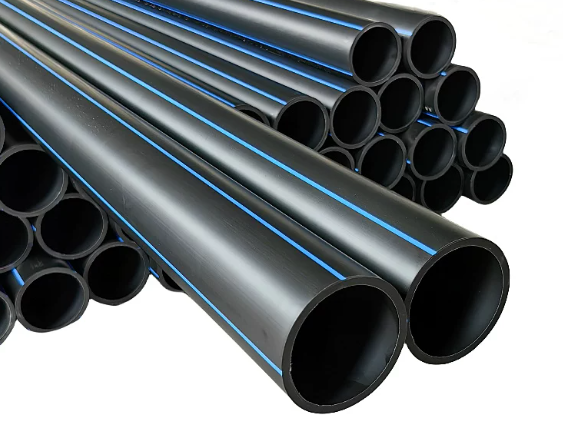
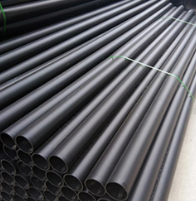
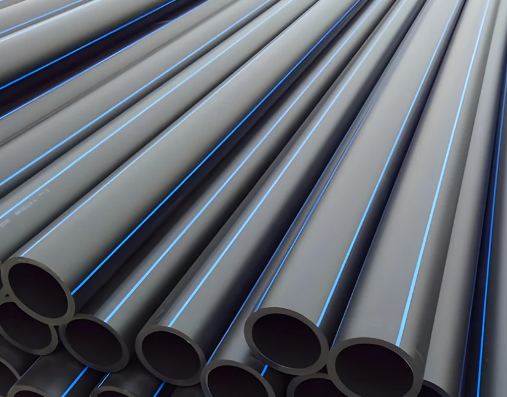
PE water supply pipes are made of high-density polyethylene: non-toxic and hygienic, meeting drinking water standards. Corrosion-free with a smooth inner wall that resists scaling, they offer excellent toughness against uneven foundation settlement and use heat-fused joints for reliable sealing. Lightweight and easy to transport and install, with a buried service life of up to 50 years, widely used in municipal water supply and residential outdoor water networks.
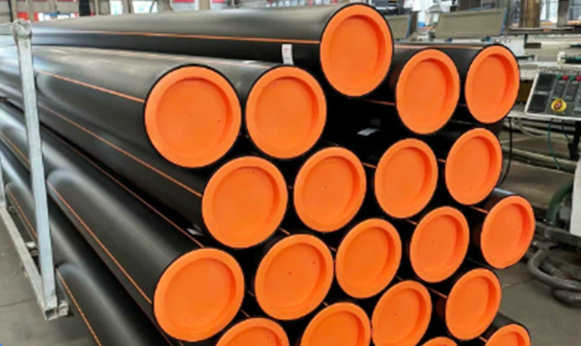
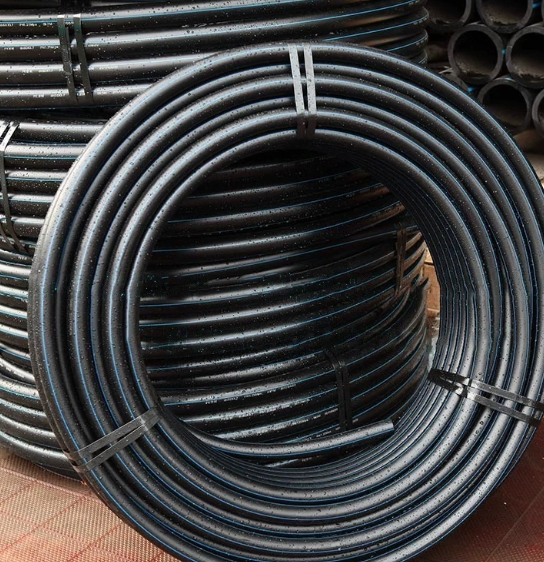
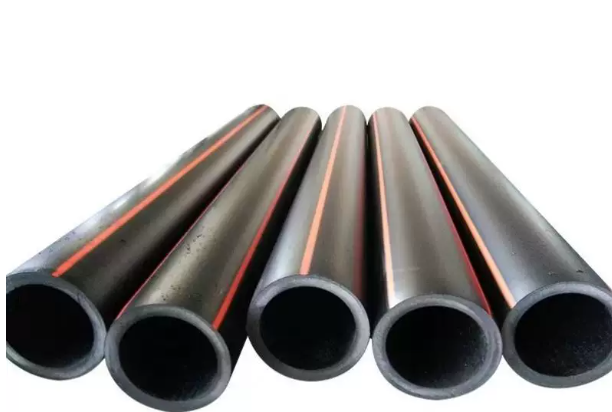
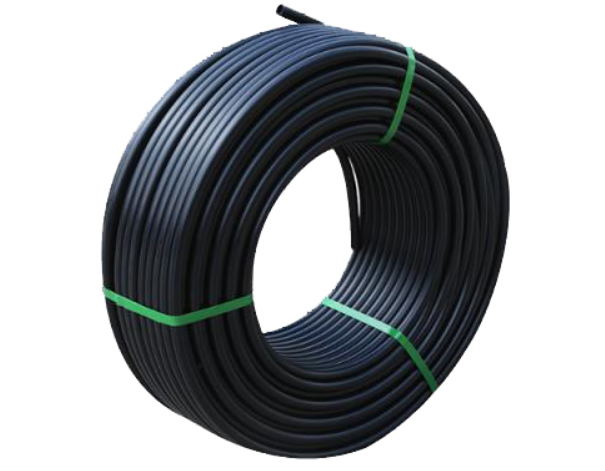
PE gas pipes are produced from dedicated high-density polyethylene material with excellent resistance to slow crack growth and corrosion, remaining stable in acidic or alkaline soil. Their toughness and impact resistance, combined with fusion joints that form a continuous body, greatly reduce the risk of gas leakage. Lightweight and coilable for easy transport and installation, they are mainly used for urban medium and low pressure buried gas transmission, offering high safety for city gas renovation projects.
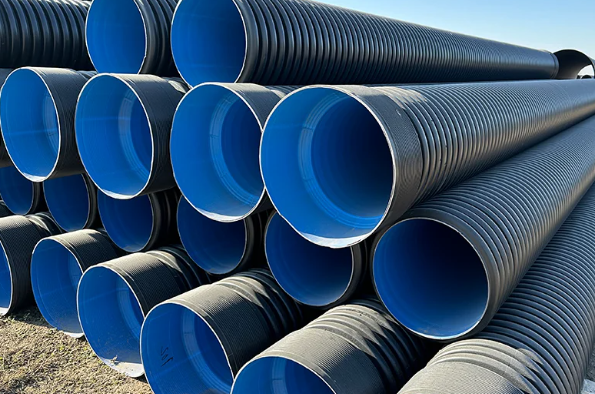
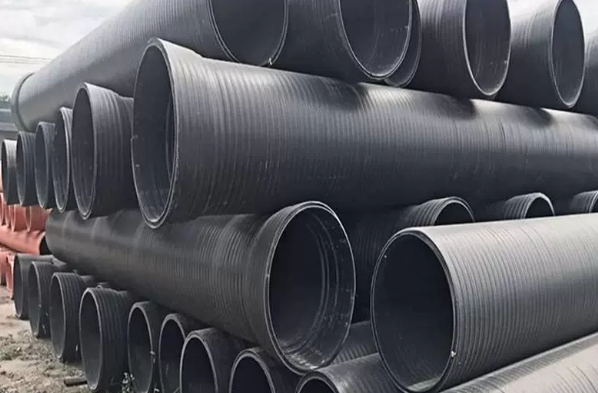
HDPE double-wall corrugated pipes are made of high-density polyethylene for sewage and drainage. The corrugated outer wall provides high ring stiffness and compressive strength, while the smooth inner wall ensures low flow resistance and large capacity. Rubber-ring socket joints give reliable sealing, and the pipes are corrosion-resistant, lightweight and easy to install. Widely used in municipal stormwater/sewage separation, residential drainage and river discharge projects.
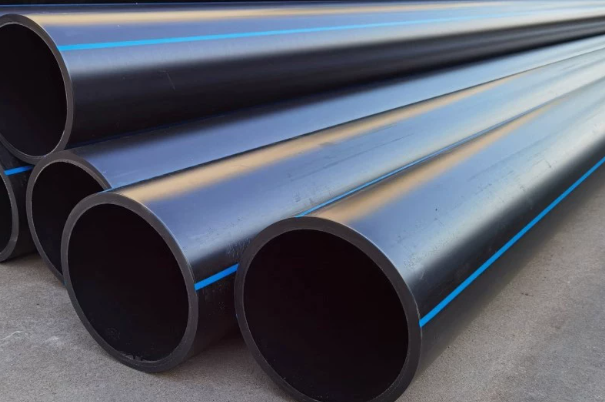
PE drainage pipes are extruded from high-density polyethylene with excellent chemical stability and resistance to acid and alkali media in sewage. The smooth inner wall resists silt accumulation, and good toughness accommodates foundation settlement to reduce the risk of fracture. Heat fusion or elastic ring joints provide reliable seepage control. Mainly used for building outdoor drainage, residential stormwater and sewage discharge and other gravity drainage scenarios.
HDPE siphon drainage pipes are designed for roof siphon rainwater systems, using negative pressure generated by building height differences to achieve full-bore drainage with high efficiency. The suspended pipes need no slope and can be laid horizontally, reducing the number of risers and saving building space. Tough, corrosion-resistant and ageing-resistant, they use heat-fused joints for stable sealing. Widely used for flat roof rainwater drainage in factories, shopping malls and residential buildings.
Krah pipes are hot-wound high-density polyethylene structure-wall pipes. Type B HDPE winding structure-wall pipes use HDPE resin as the main material and a hot winding process, with PP single-wall corrugated pipe as the supporting structure, producing a special structure-wall pipe with high external pressure resistance.
PE conduit pipes are made of high-density polyethylene with good insulation, impact resistance and flexibility, protecting cables from external damage. The smooth inner wall makes cable pulling easy; the pipes are corrosion-resistant, ageing-resistant, lightweight and easy to install. Widely used in municipal works, residential buildings and road weak-current ducting, available in a full range of sizes as a preferred flame-retardant, insulating protection pipe.
Mining PE pipes are extruded at high temperature from dedicated polyethylene raw material with flame-retardant and anti-static properties. Production and inspection follow national coal industry standards MT588.1-2005, MT181-88 and AQ1071-2009, and the pipes hold the MA coal mine safety certification for polyethylene pipes used in underground mines.
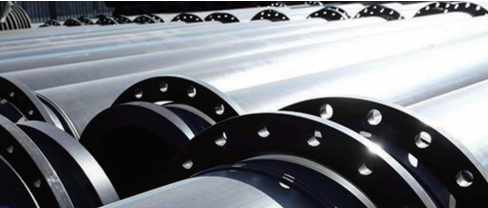
HDPE dredging pipes are made of high-density polyethylene and designed for transporting slurry, silt and solid-liquid mixtures. They offer outstanding wear resistance, a smooth bore with low resistance and minimal silt build-up. Lightweight, tough, impact-resistant and corrosion-resistant, they use flange connections for easy assembly and transport. Suitable for river dredging, sand extraction and reclamation, port dredging and lake treatment, capable of long-distance transport of sand-bearing slurry with seawater resistance and a long service life.
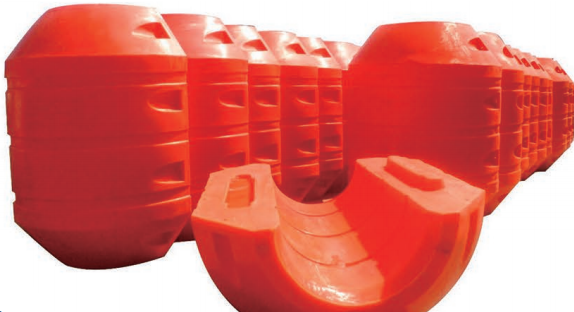
Plastic floats are rotationally moulded in one piece from high-density polyethylene with a seamless shell and polyurethane foam filling, providing stable buoyancy and strong sealing without water ingress or sinking. Impact and ageing resistant, they withstand seawater, acids and alkalis for long-term outdoor use. Easy to install with flexible modular combinations, they are simple to relocate and maintain. Widely used for river trash booms, floating platforms, pontoons, navigation warning floats, aquaculture rafts and dredging pipe floats, with customizable colours and sizes.
PE irrigation pipes are produced from high-density polyethylene with good toughness, light weight and excellent ageing and corrosion resistance. The smooth inner wall provides low water resistance and stable delivery, and heat fusion or socket connections make installation easy. Suitable for buried or surface laying, they resist sunlight and long-term cracking. Widely used in farmland drip and sprinkler irrigation, landscaping, orchard irrigation and residential green-space water supply, available in many specifications and cut to length.
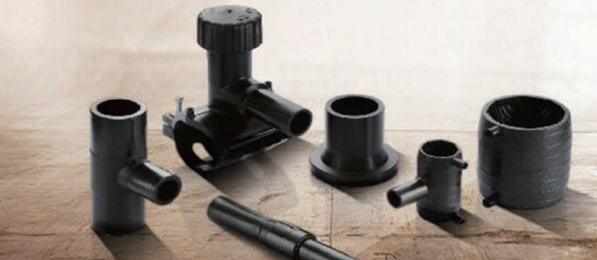
PE butt-fusion fittings are made from PE100 material in black, blue or custom colours, covering sizes from 20 mm to 630 mm. They support butt fusion and socket fusion, with pressure ratings of PN16 (SDR11) and PN10 (SDR17.6), forming a complete and reliably sealed piping system with HDPE pipes.
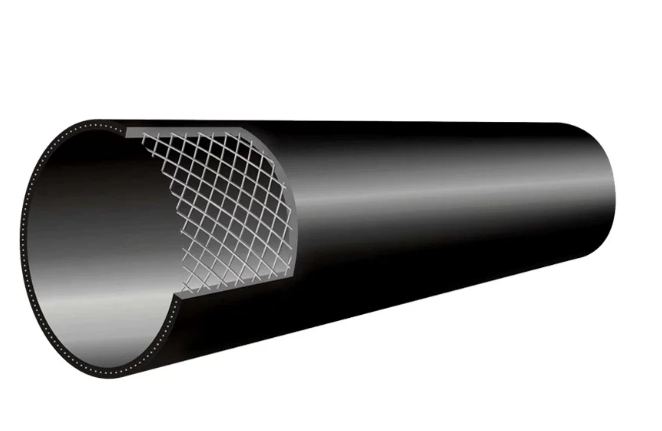
Steel-wire mesh reinforced HDPE pipes use a steel wire mesh as the reinforcing skeleton with inner and outer HDPE layers, combining the high strength of steel with the corrosion resistance of PE. They offer strong pressure capacity, creep resistance and greater rigidity than ordinary HDPE pipes, plus soil corrosion resistance. Electrofusion joints are firm and crack-resistant. Lighter than steel pipes, they suit large-diameter high-pressure water supply and fire-fighting water systems.
Ground-source heat pump pipes transfer heat from the ground into buildings for space heating and domestic hot water preheating. Geothermal exchange is a clean energy method for heating and cooling commercial and residential buildings, proven and applied for decades. In simple terms, HDPE pipes are buried underground to transfer energy between the fluid inside and the earth: the fluid is warmed in winter and cooled in summer. The system consists of buried HDPE pipes, a heat pump and an air distribution system.
PE-RT Type II is a heat-resistant polyethylene pipe with outstanding high-temperature resistance, creep resistance and pressure capacity. It can be heat fused without cross-linking. The pipe offers good flexibility, impact and corrosion resistance, a smooth non-scaling inner wall and excellent sealing. Mainly used in secondary heating networks of residential districts and hot/cold water supply projects, with a service life of up to 50 years and convenient, safe installation.
Online Message
Leave your requirement and we will contact you within one business day.